Chimney Liner
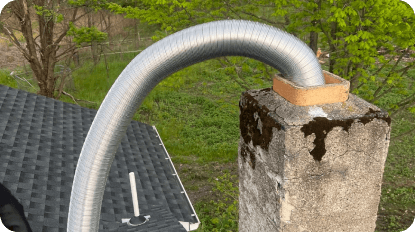
Chimney Liner
Install or replace chimney liners to improve safety, efficiency, and flue performance in wood, gas, or oil-burning systems.
-
Identify when a liner is needed or damaged
-
Choose the right liner type for fuel and chimney structure
-
Measure and install liners safely and securely
-
Improve combustion efficiency and prevent chimney fires
-
Comply with safety codes and inspection standards
Chimney Liner focuses on one of the most critical components for fire safety and chimney performance. A chimney liner protects the chimney walls from heat and corrosion, improves draft efficiency, and prevents hazardous gases from leaking into the home.
This level/service/module teaches you how to inspect, install, and replace different types of liners — including clay tile, metal, and cast-in-place systems. Learn to assess liner condition, size it correctly for the appliance, and ensure it meets building codes and manufacturer requirements.
Objectives & Key Skills:
Whether you're upgrading an outdated chimney or building a new one,
the liner is the first line of defense for a safer, cleaner, and longer-lasting flue system.
Krishna Singh
Superb Service
1. Can I install a liner myself?
While DIY kits exist, professional installation is highly recommended to ensure: Correct sizing Compliance with local codes Safe operation of your fireplace or heating appliance
2. How long does a chimney liner last?
Clay tile liners can last 50+ years if undamaged Stainless steel liners typically last 15–25 years or longer with proper maintenance
3. How do I know if my chimney needs a new liner?
You may need a new liner if you notice: Cracked or missing clay tiles Smoke backing into your home Deteriorated bricks or mortar A new heating appliance requiring a different flue size or material
4. What types of chimney liners are available?
The three main types are: Clay tile liners (common in older homes) Metal liners (stainless steel or aluminum — most popular and durable) Cast-in-place liners (poured into the chimney to create a seamless barrier)
5. Why do I need a chimney liner?
A liner improves safety and efficiency. It: Prevents chimney fires by protecting masonry from high heat Reduces the risk of carbon monoxide leaks Improves draft and appliance performance Is required by most building codes
6. What is a chimney liner?
A chimney liner is a protective barrier installed inside the chimney flue. It helps safely direct smoke and gases out of your home while protecting chimney walls from heat and corrosion.

Our Apps