Air Duct Inspection
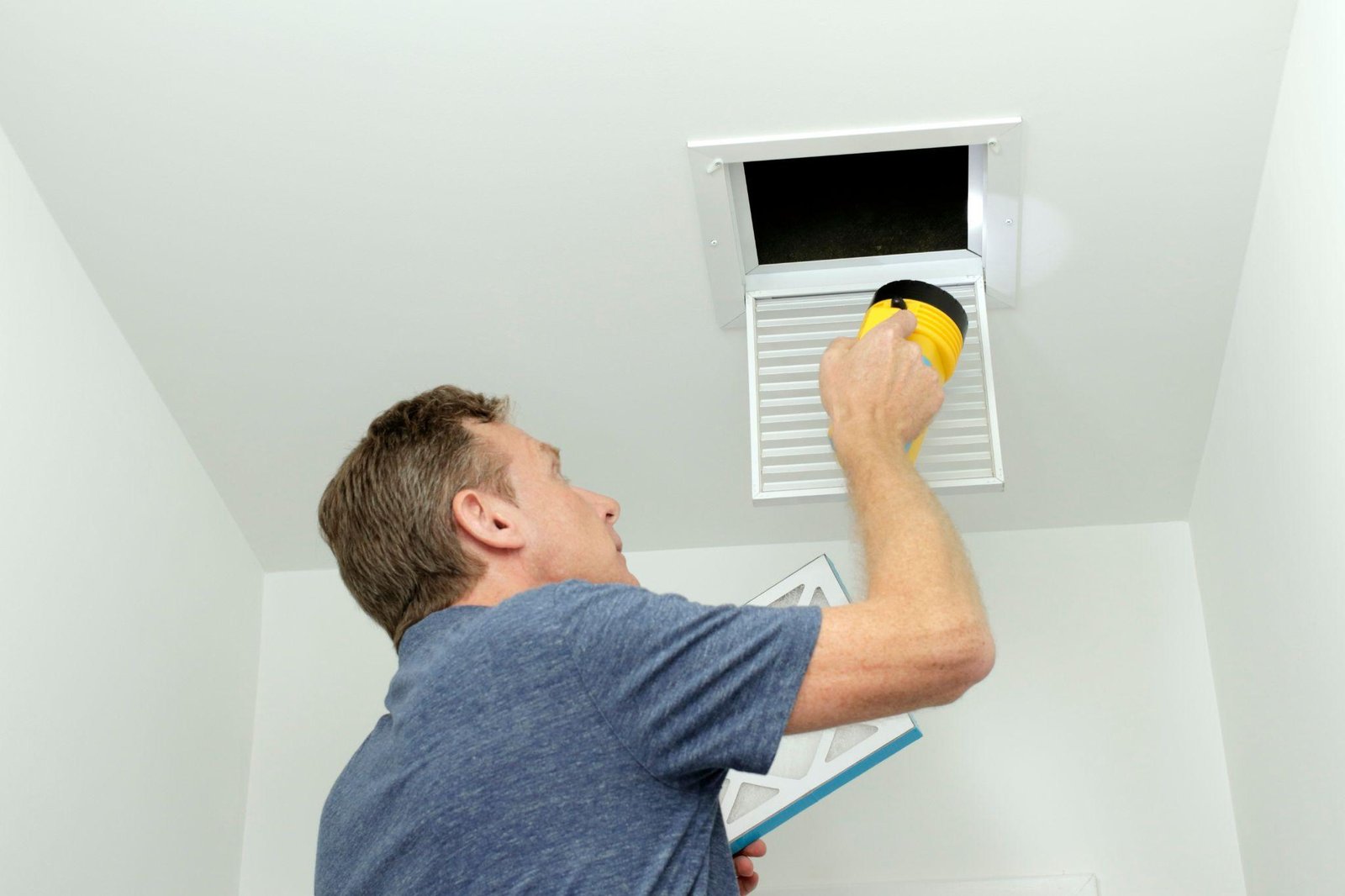
Air Duct Inspection
Comprehensive air duct inspection to identify mold, leaks, dust buildup, and airflow issues, ensuring a clean and efficient HVAC system.**
Air duct inspection is an essential service that assesses the condition of your home or commercial ductwork. Over time, dust, debris, mold, and even small pests can build up inside your ducts, affecting air quality and HVAC performance. Our trained technicians use advanced diagnostic tools—like video camera scopes, airflow meters, and moisture sensors—to examine your duct system for blockages, leaks, mold growth, or structural damage. A proper inspection can help prevent costly repairs, improve energy efficiency, and ensure you and your family breathe clean, healthy air. It’s the first step toward maintaining a well-functioning HVAC system.
No reviews available for this service yet.
1. Is duct inspection necessary before installing a new HVAC system?
Yes. Ensuring your ducts are clean, intact, and properly sealed is critical for optimal performance of a new HVAC installation.
2. How often should air ducts be inspected?
At least once every 1–2 years, or after any major renovations, pest problems, or signs of poor air quality.
3. Will the inspection tell me if I need duct cleaning?
Yes. After inspection, we provide a detailed report showing whether cleaning or repairs are recommended.
4. Do I need an inspection if my HVAC system seems to be working fine?
Yes, because air quality issues or minor leaks can exist even if the system appears to be functioning. Regular checks help maintain performance and safety.
5. How long does an air duct inspection take?
Most inspections take 1 to 2 hours, depending on the size and complexity of your system.
6. How do you perform the inspection?
We use video cameras and airflow testing tools to thoroughly inspect inside the ductwork without causing damage or making a mess.
7. What is the purpose of an air duct inspection?
To detect issues like dust buildup, leaks, mold, or pest infestations inside your HVAC system before they become serious problems.

Our Apps